
SIGG Alpine Star Flask
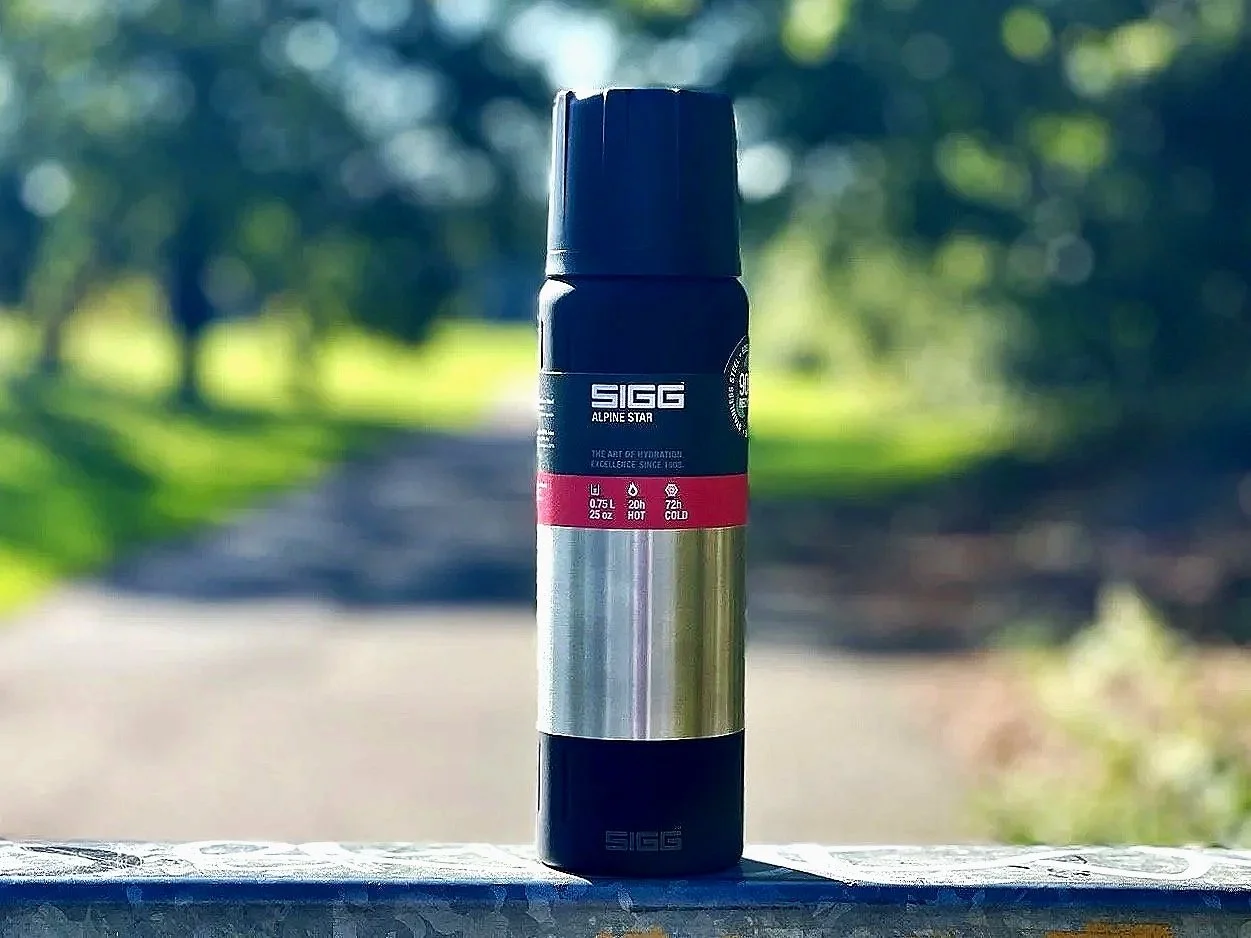
As seasoned off-roaders and outdoor types, we’ll happily spend a Saturday morning battling boggy tracks in the Peak District, only to settle down afterwards for a cuppa that's lukewarm at best. Flasks, bless 'em, have always been the weakest link in the Great British Expedition. You could strap a thermal blanket to your Landy, but your brew was still destined to be disappointing after four hours.
So, when the email popped up announcing the new SIGG Alpine Star, my initial reaction was pure, unfiltered cynicism. Swiss. Sustainable. Insulated for all seasons. It all sounded a bit… fancy. And given the size of my existing, cumbersome, vaguely dented old flask, I was immediately drawn to the 0.75-litre version. It was time for a smaller, more manageable vessel of morning joy.
And, truth be told, that decision alone has changed my life. Well, my mornings, at least!
The Faff of Filling
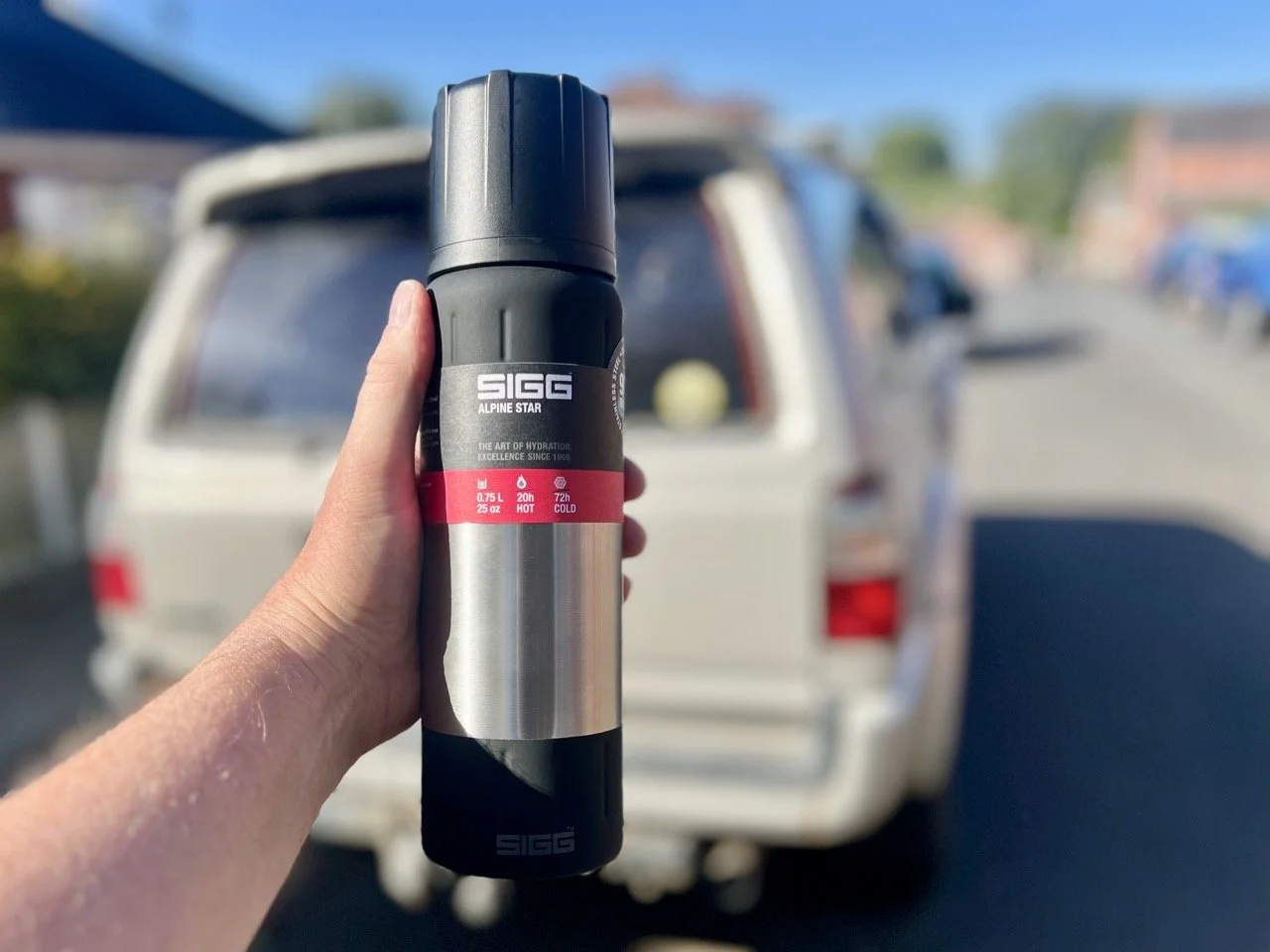
The SIGG Alpine Star boasts a fantastic profile: sleek, robust, and thanks to some fancy Swiss ‘innovative spinning technology’ (which sounds like something out of a James Bond film), it’s allegedly 30% lighter than its rivals. Honestly, I didn't weigh it, but it certainly doesn't feel like I'm lugging a small artillery shell around, which is a definite plus when your pack is already full of recovery gear you definitely won't use.
However, let’s get the main grievance out of the way, because in the North, a good flask should be easy to load, and this one makes you work for it.
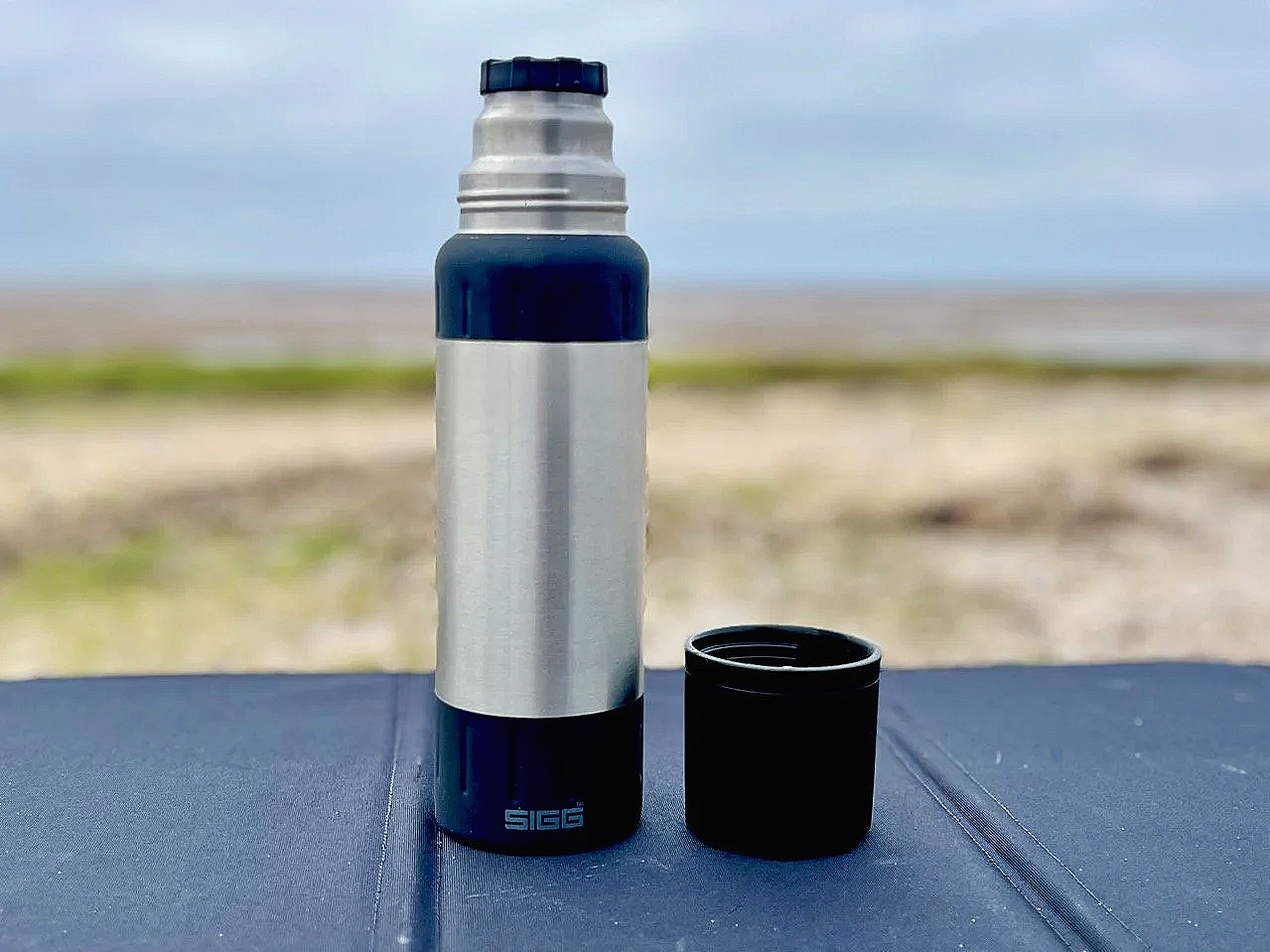
My only proper complaint after a few weeks of daily use is that the mouth is a bit on the narrow side. I’m not saying it requires the surgical precision of a neurosurgeon, but when I’m still half-asleep and attempting to spoon in coffee and sugar, I end up resembling a badly coordinated baker, with half the payload scattered across the worktop. It’s a minor faff, yes, but when the coffee is calling, spillage is a crime.
The Office Test: Dead Easy
The 0.75-litre size is actually perfect. It’s enough for three decent-sized mugs, which, frankly, is usually gone before dinnertime anyway (remember folks, it’s breakfast, dinner, tea supper). But I needed to give it the beans on the heat retention front.
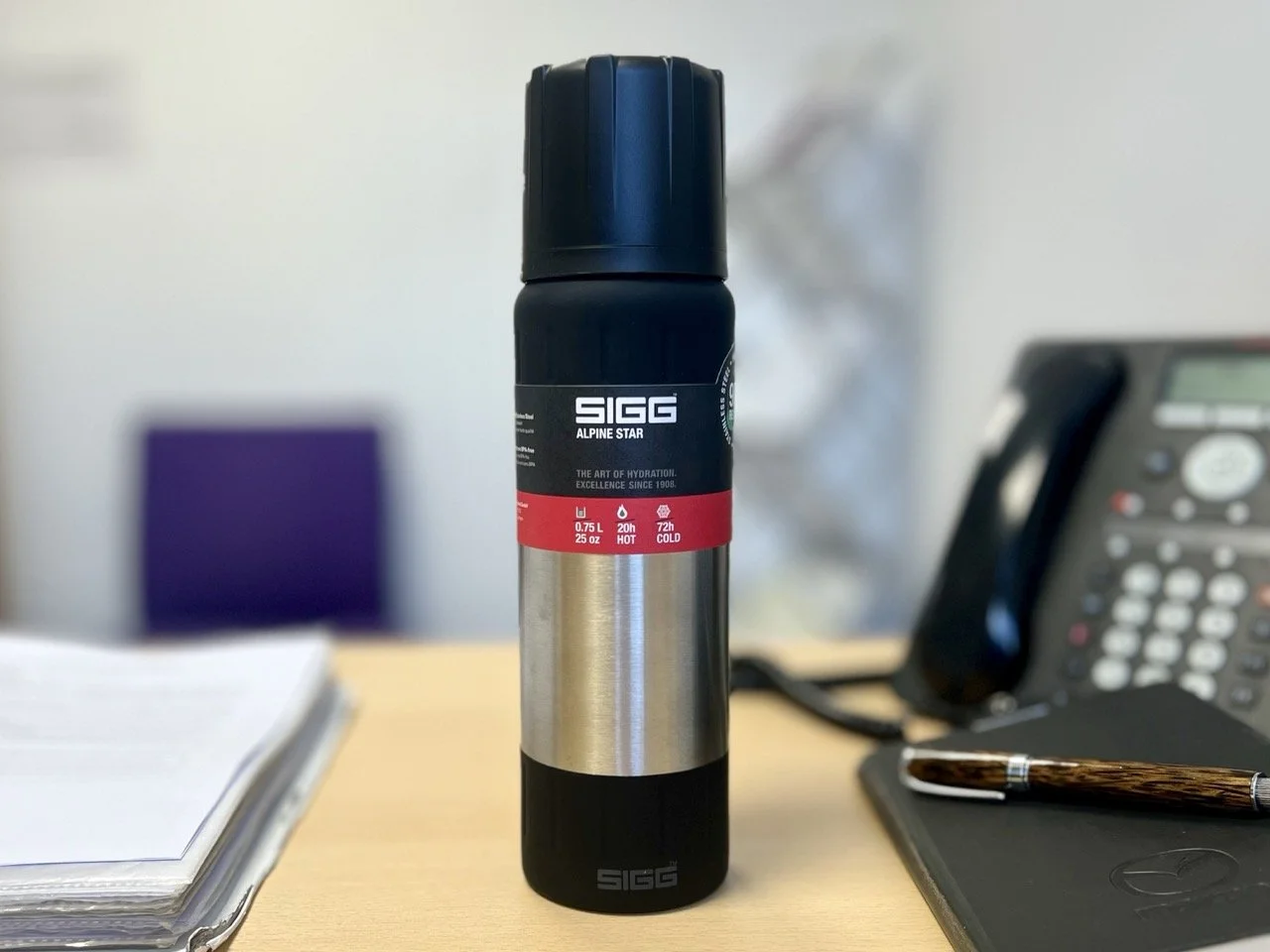
For the first test, I gave the SIGG the soft life. I filled it up with Nescafe’s best, a good plug of real milk (no nut juice here), and took it to the office - a toasty, centrally heated haven.
Eight hours later, I poured the last half a cup. I kid you not, it was still steaming hot. You’d need to sip it with caution, or you’d scald your gob. Impressive, given the easy environment.
But this is an outdoor mag, and an insulated flask that performs well indoors is about as useful as a chocolate teapot when you’re facing a proper moorland winter.
The Proper Test: A Night on the Tiles
So, for the true test, I decided to give it a proper challenge: the overnight freezer treatment. Well, not a freezer, but as close as nature gets at the end of October up north.
The mission was simple: fill the flask with fresh coffee, including a good couple of glugs of milk, and leave it outside on the paving slab from 10:00pm until 8:00am. Dunking a thermometer showed a starting temperature of 78˚c.
When I ventured out at 8:00 am, 10 cold hours later, the air was crisp and the poor little SIGG Alpine Star was covered in dew. It looked thoroughly sorry for itself. I gave it a quick wipe down, took it inside, and nervously reached for the thermometer.
Now, most flasks at this point would offer something vaguely warm, something polite. But the SIGG? After ten hours of genuine frost, the coffee was still sitting comfortably above a proper drinking temperature. It had barely dropped out of the 'too hot to drink' zone - it was a heady 65˚c.
And this, my friends, is why the Alpine Star has swiftly become my new favourite brew companion. The double-wall insulation, boosted by that copper-coated inner layer (the secret Swiss weapon, apparently), is clearly working overtime. The 1-litre version apparently keeps things hot for 25 hours, which sounds like witchcraft, but based on this frosty ten-hour result, I actually believe them.
The Swiss Efficiency and the Price
Beyond the heroic heat retention, there are a couple of nice features that even a grumpy Northerner can appreciate.
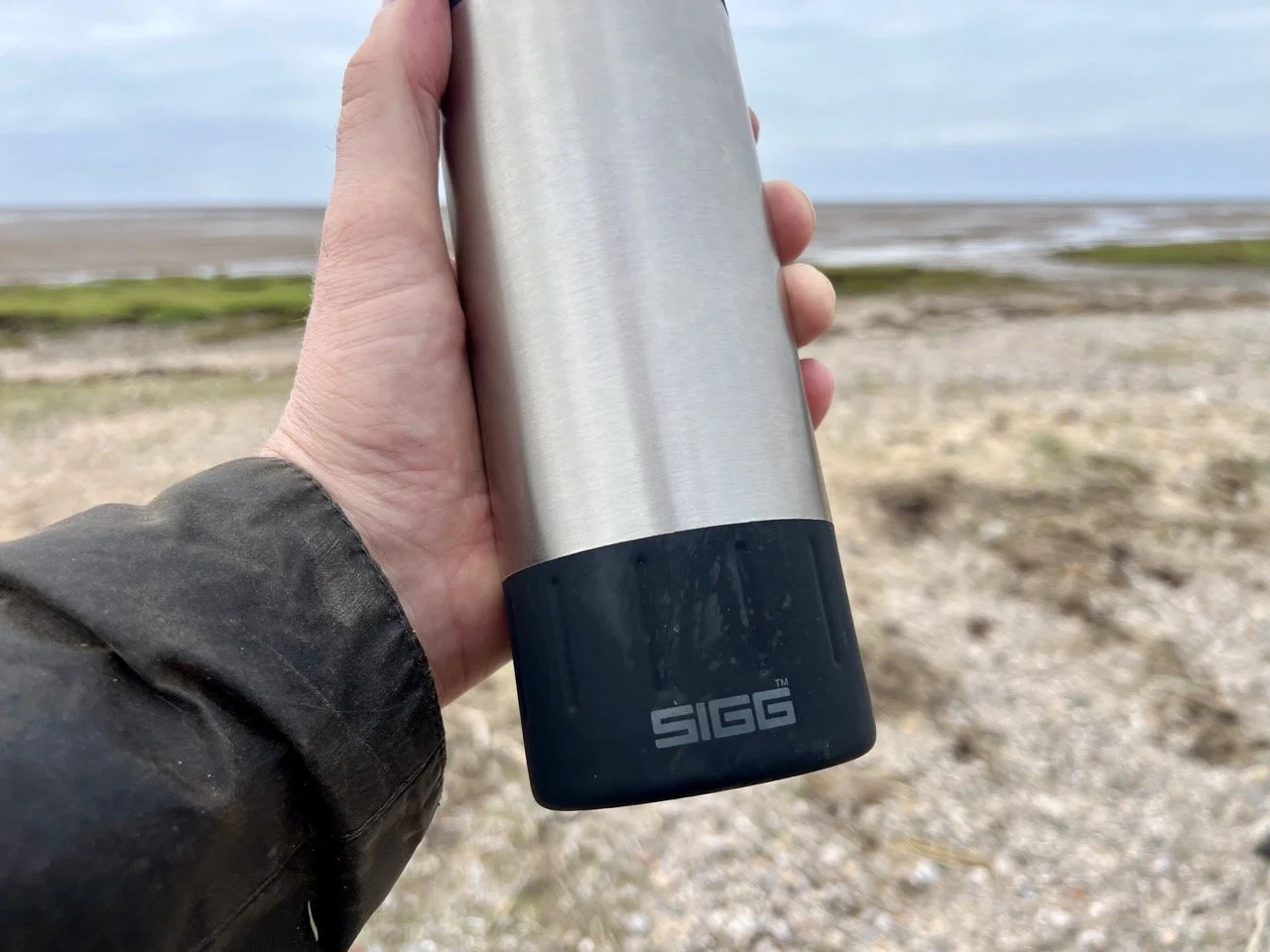
Firstly, the cap. They call it the Twist & Pour cap, it’s by no means new, but it's brilliant. None of that tedious unscrewing until the whole lid is off. Just a simple quarter-turn and the drink flows neatly into the integrated cup. It’s genuinely easy to use, even when you're wearing mitts or your hands are numb from fiddling with diff locks. The non-slip grooves on the flask body also give it a decent grip, ensuring it doesn't try to make a run for it when you place it on a wonky tyre. The silicone base helps it sit firm on everything else.

Secondly, and we have to mention this because it's the right thing to do, it's made from 90% post-consumer recycled stainless steel. So, you can be warm on the inside while doing your bit for the planet.
It's also leak-proof, naturally, because if a Swiss company claimed something was leak-proof and it wasn't, the entire country would probably melt.
˚
Verdict
The SIGG Alpine Star is an absolute winner. It’s light, it’s virtually bomb-proof, and it performs a genuine miracle by defying the laws of physics and keeping liquids hot when you most need them. Yes, the mouth is a bit of a pig to fill, but once you’ve mastered the technique, the reward is an ten-hour-old plus brew that’s still capable of steaming up your cab window.
For the price, I feel it’s a solid investment that will survive far longer than your current kettle-and-thermos routine. Get one bought, and never suffer a disappointing cuppa out in the sticks again.
Prices: £31 (0.5L), £36 (0.75L), £40 (1L).
Website: SIGG Alpine Star